
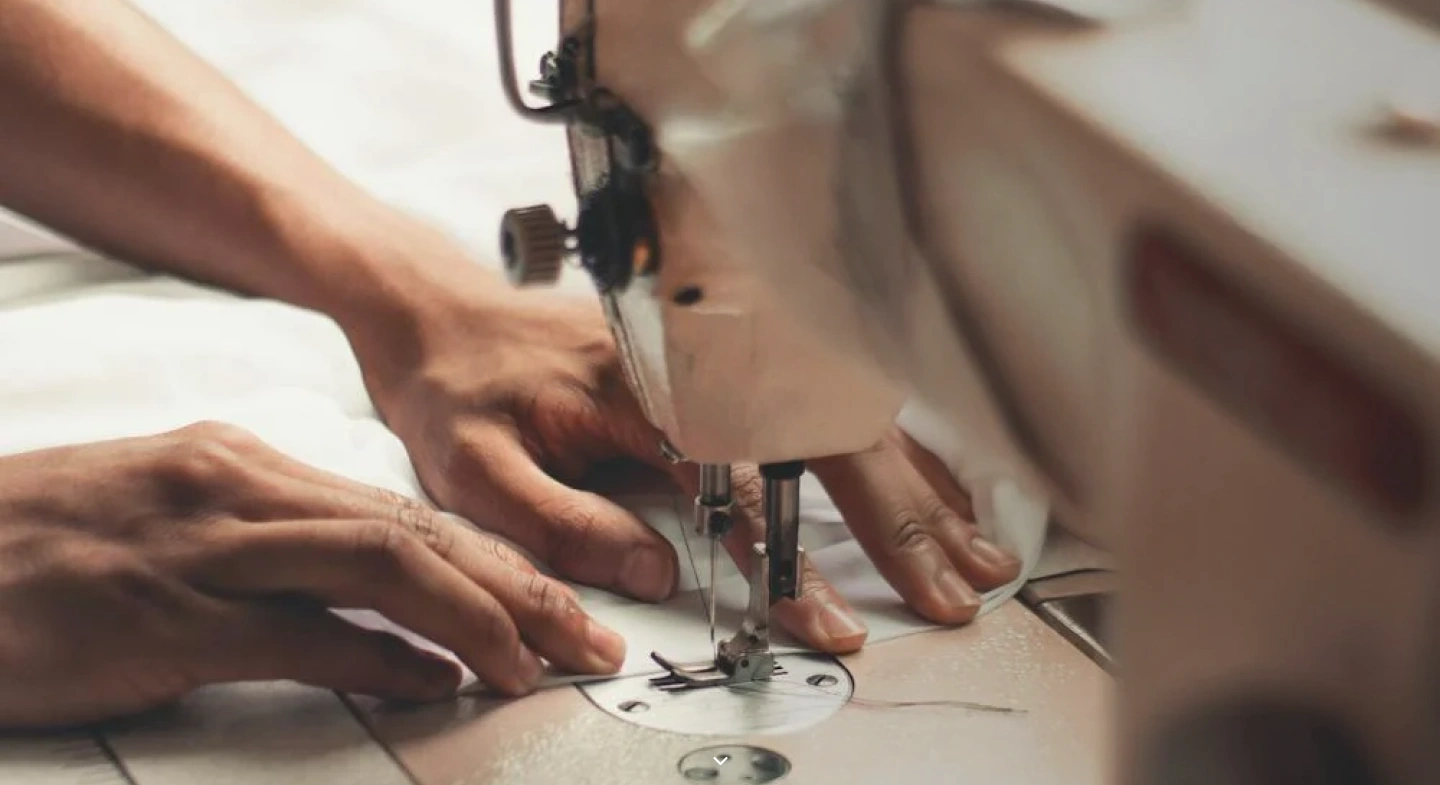
A ten-rupee price tag rarely tells the whole story. Somewhere behind that cheap t-shirt is a field where the cotton grew, a factory where someone stitched it together, a dye vat that used more water than you’d guess, and a truck or ship that carried it halfway across the world. Fast fashion has trained us to see clothes as disposable: wear it a few times, toss it, buy the next thing. Sustainable apparel production pushes back against that. It’s about making clothes without draining resources, poisoning water, or running on the backs of underpaid workers.
What Sustainable Manufacturing Actually Means
It’s not a single fix you can bolt on. It runs through the entire chain:
- Raw materials — organic, recycled, or regenerative fibres instead of resource-heavy conventional ones
- Manufacturing — less water, less energy, fewer toxic chemicals in dyeing and finishing
- Labour — fair wages, safe conditions, no child labor
- End-of-life — garments built to be repaired, recycled, or broken down instead of landfilled
Switch to organic cotton, and you’ve made progress, sure. But that’s one link in a much longer chain. Real sustainability means all of this moving together, not just the part that photographs well for a marketing campaign.
Why It Matters Right Now
Clothing is one of the most resource-hungry industries there is. A single cotton shirt can eat up thousands of litres of water before it ever reaches a shelf, and dyeing fabric is one of the biggest sources of water pollution on the planet. Then there are the waste mountains of synthetic clothing sitting in landfills, some of it taking decades to break down, if it ever fully does.
The human side is just as real. Garment workers, especially in developing countries, often clock long hours for wages that barely cover the basics, sometimes in factories that aren’t safe. This isn’t only about carbon footprints and water tables. It’s also about whether the people making our clothes get a fair share of what they help create.
The Pillars That Actually Hold This Up
- Fibre choices — organic cotton (no synthetic pesticides), recycled polyester (from old bottles or garments instead of fresh crude oil), hemp and linen (far less water-hungry than conventional cotton), Tencel/Lyocell (wood pulp, closed-loop process that recovers almost all its chemicals)
- Water and energy — waterless dyeing, closed-loop water recycling, solar-powered factories; dyeing and finishing are the thirstiest, dirtiest steps, so this is where the real progress happens
- Fair labour — certifications from Fair Trade and similar bodies push for living wages and reasonable hours; brands willing to say openly where and how clothes are made tend to be the ones actually doing the work.
- Circular design — zero-waste pattern cutting, upcycled fabric scraps, garments built to be taken apart and recycled later; the idea is to keep material moving instead of throwing it away
- Local, small-batch production — less distance means fewer transport emissions, and smaller runs mean less unsold stock ending up burned or buried
How to Tell Real Sustainability from Greenwashing
A few things worth checking before you trust a label:
- Does it carry a real certification GOTS, OEKO-TEX, Fair Trade Certified or just a green leaf logo with no backing?
- Will the brand actually tell you where its factories are and how things get made?
- Do they talk in specific numbers — water saved, emissions cut — or just throw around words like “eco-friendly” with nothing behind them?
- Do they offer repair, resale, or take-back options?
If a brand goes quiet the moment you ask where its clothes are actually made, that tells you something.
What You Can Actually Do About It
- Buy less, and choose more carefully when you do
- Fix the button instead of replacing the shirt.
- Give thrift shops, resale apps, and rental services a chance before buying new.
- Wash clothes less often, in cold water — saves energy and cuts down on microfiber shedding.
- Put your money behind brands that are upfront about how they operate, even if it costs a little more.
A Few Brands Getting This Right
- Patagonia — has built recycled materials into its outerwear for years and runs a repair program that genuinely nudges people to fix gear rather than replace it.
- Eileen Fisher — takes back worn garments, refurbishes or remakes them, and resells them under its own line; an actual circular system, not just a nice line in an ad.
- People Tree — works directly with Fair Trade cooperatives and artisans, built around handloom weaving and organic cotton that supports rural livelihoods.
None of these is flawless, and it’s worth saying that plainly: sustainability is a spectrum, not a finish line anyone crosses completely. But they prove it’s possible to build a real business this way.
The Numbers, Briefly
- Fashion’s carbon footprint rivals that of entire countries
- Textile dyeing ranks among the biggest polluters of clean water worldwide, second only to agriculture
- People wear their clothes far fewer times before discarding them than they did a couple of decades ago.
- A large share of everything produced globally ends up landfilled or burned within a year of being made.
None of this is meant to guilt anyone out of buying clothes. It’s just context for why the small stuff buying better, wearing things longer actually adds up to something.
FAQ
1. Is sustainable clothing always more expensive?
Usually, yes, and there’s a reason for it: fair wages and cleaner production cost more than cutting corners. But buying fewer, longer-lasting pieces can work out cheaper over time than constantly replacing fast fashion.
2. Can synthetic fabrics ever be sustainable?
Virgin polyester made from crude oil, not really. Recycled polyester is a different story; it comes from plastic waste and cuts down on the need for new petroleum, which counts for something even if it’s not a perfect solution.
3. What’s the difference between sustainable and ethical fashion?
Sustainable is mostly about the environment: materials, water, waste, emissions. Ethical is about people: fair wages, safety, no exploitation. The brands worth paying attention to tend to care about both.
4. How do I spot greenwashing?
Watch for vague words with nothing behind them: “eco-friendly,” “conscious”, and no certification or data to back it up. Brands actually doing the work tend to get specific about it.
5. Are certifications like GOTS or OEKO-TEX actually reliable?
They’re a reasonable starting point since they involve independent audits, though no certification is a perfect guarantee. They’re best used alongside other signals: supply chain transparency, take-back programs, and specific data.
6. Does buying secondhand count as sustainable fashion?
Yes, arguably it’s one of the most sustainable choices available, since it keeps a garment in use without any new resources going into making it.
Conclusion
Sustainable apparel isn’t a passing trend. Regulations are tightening, and people are paying closer attention, so brands that don’t adapt will eventually get left behind. It’s already happening in pockets: better fabrics, cleaner factories, fairer labour practices slowly becoming the norm instead of the exception. Even large-scale exporters are part of this shift: Richa Group, one of India’s major garment exporters running multiple integrated facilities, has a zero-discharge central washing unit currently under development, showing that even high-volume manufacturing can move toward cleaner processes. No single purchase is going to fix the industry on its own, but every one still counts as a small vote for the kind of fashion world we’d actually want.